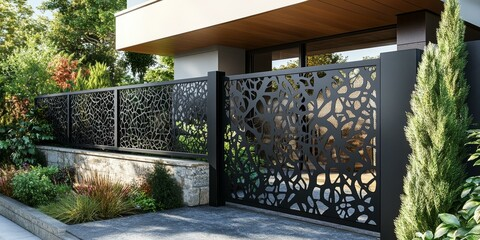
Types of Metal Used for Gates and Fences

Metal Gate and Fence

The type of metal you choose for your fence or gate can enhance security, define property boundaries, and reflect architectural styles. The choice also impacts maintenance and cost.

Wrought iron is the classic choice for residential properties seeking to add ornate style and durability. It can also be crafted to fit a variety of architectural designs. Visit Metal Gate and Fence to learn more.

Wrought Iron

Iron is a versatile metal that can be shaped and welded into many forms. It’s also durable and rust-resistant, which makes it a great choice for gates and fences that need to stand up to harsh weather conditions. Wrought iron is an expensive material, but it’s known for its elegance and durability, and can add to the value of your home.

Wrought iron is a malleable variant of iron that contains very little carbon, allowing it to resist corrosion and retain its shape when hammered or rolled. This type of iron was made in bloomeries during the Middle Ages using direct reduction methods. It was later replaced by the finery processes, including the German and Walloon methods. These were in turn replaced by puddling.

Unlike steel, wrought iron is relatively easy to weld and can be crafted into intricate designs. It can be painted or left unpainted, although regular washing and a coat of protective paint is recommended to preserve its appearance. Wrought iron is also incredibly strong, making it an excellent option for gate and fence construction. This strength helps to prevent damage from intruders and other forces, and can help to deter attempts at climbing.

Adding a wrought iron gate to your home is an excellent way to enhance its curb appeal and security while providing a strong deterrent against intruders. It’s also highly durable, withstanding decades of wear and tear while still looking beautiful. With routine cleaning, a protective coating, and occasional maintenance, a wrought iron gate can last for years while maintaining its elegance and adding to your property value. It’s also an environmentally friendly option, as wrought iron is made from natural materials and is recyclable.

Steel

Steel is a common material for gates and fences due to its strength, durability, and affordability. It can withstand heavy winds and rain without damage, and it is highly resistant to corrosion. Unlike wooden or vinyl fences, it is not susceptible to insect infestations or mold growth. It is also impervious to termites and other wood-eating pests. Moreover, it is not easily damaged by chemicals or other substances. It is also not prone to rusting when treated with proper anti-rust coatings. This makes it a popular choice for industrial, construction site, and safety isolation fencing.

Metal fencing is an attractive alternative to other types of fences, especially for urban environments with busy traffic patterns and pedestrians. A well-designed metal fence will delineate space, guide traffic, and make a statement about the property’s owner. These fences are also more effective at preventing trespassing, and they are an excellent deterrent to thieves. Additionally, they can be adorned with pointed tops or spikes to make them even more intimidating.

Many home buyers today are concerned about environmental issues and are looking for eco-friendly features in their homes. Certain types of steel can be made from recycled materials and require less energy to produce. Additionally, they don’t use harmful chemicals or processes in their production. This means that they are a good alternative to wood or aluminum fences for those who want to be environmentally responsible.

While a metal gate or fence may be more expensive than a wooden or vinyl one, the initial investment pays off in the long run. Metal fences and gates are more durable than their counterparts, which means they will last longer and require fewer repairs over time. Furthermore, they are easier to clean than other types of fencing and require fewer maintenance hours.

Wrought iron gates are an elegant addition to your home or business, and they can be designed in a variety of styles and finishes to complement any architectural design. They are also highly customizable, and you can choose from a wide range of colors and textures to suit your aesthetic preferences. Furthermore, you can also customize the artwork on these gates and fences to reflect your personality or innate style. The professionals at Azi steel can create extraordinary designs for your gates and fences with extreme artistry and finesse.

Aluminum

Aluminum is a durable and attractive fencing material that resists corrosion. It can withstand the elements—from summer’s heat to winter’s icy chill and spring’s endless showers—without rusting or corroding. Aluminum fences and gates also don’t rot like wood or become brittle with age.

Because of these qualities, aluminum is an ideal choice for those who want a safe and sturdy yard enclosure without spending a fortune. However, it’s important to note that while aluminum is strong and aesthetically pleasing, it doesn’t stand up to heavy impacts like steel.

When selecting an aluminum gate, you should choose a quality manufacturer that offers options with different gauges and finishes. This ensures that you’ll be able to find the perfect gate for your property and lifestyle needs. TYMETAL is one such company, offering low decorative aluminum fencing and high security electric gates made from 6063-T6 or 6105-T6 alloys.

Choosing the right metal for your gates and fences isn’t a simple decision. There are many factors to consider, including your budget, privacy needs, and climate. It’s best to consult professionals who can offer expert advice tailored to your specific circumstances and help you weigh the pros and cons of each option.

The professionals at Kloeckner Metals can assist you in selecting the correct aluminum alloy for your gates and fences. They’re experts in the field and combine a national footprint with state-of-the-art fabrication and processing technologies and customer service solutions.

For example, they can help you design an elegant wrought iron-style gate for your entryway while keeping within your budget. Or, they can help you build a beautiful backyard fence with an open layout that maximizes your privacy and functionality. The bottom line is that the right gates and fences can dramatically improve your home’s curb appeal and increase your property value. Kloeckner Metals can help you make the most of your investment by guiding you to the right solution. Call today to speak with a professional. You can also download our aluminum spec sheet and check out the other alloys we routinely stock. We look forward to hearing from you!

Cast Iron

The use of iron wrought gates and fences can add a timeless, classic aesthetic to your home or business. They also offer the strength and security you desire to keep unwanted intruders out, while keeping children or pets in a safe environment. Iron is less susceptible to physical damage than other fencing materials and requires little to no maintenance.

Wrought iron is much more expensive than other options, but it’s an investment that will last you a long time and improve your property’s value. This durable material will hold up to the elements and trauma, and can be reshaped into new styles to fit your needs.

Cast iron is a type of ferrous metal that has been used in construction and outdoor ornament for centuries. It is primarily composed of iron (Fe) and carbon, but can also contain traces of manganese, sulphur, silicon, and phosphorus. Like steel, cast iron is stronger in compression than it is in tension, but it can be made to flex and move with the loads placed upon it, which makes it an ideal material for columns and structural beams.

Unlike steel, cast iron has a high percentage of carbon in its molecular structure. This carbon is typically present as graphite, and its composition influences the durability of the material. The amount and structure of the graphite in the alloy will also influence its ductility, as well as its ability to resist corrosion.

Corrosion rates are accelerated by factors such as water, salt air, soils, cements, ashes, and acids. Detailed castings can also promote corrosion, as these features create pockets that collect and hold moisture and corrosive agents.

The decision to choose wrought or aluminum will come down to your priorities and specific requirements. Wrought iron offers the superior strength and classic look that many people want in their homes, while aluminum is a cheaper option that can be used to achieve a modern, stylish look. The choice between these two types of fencing materials will also depend on the environmental considerations you want to make, as wrought iron is more energy-intensive than aluminum and therefore not as environmentally friendly.
Carpet Cleaning That Keeps Your Home Fresh and Inviting

carpet cleaning

Carpets are a staple in many homes and offices, providing warmth, comfort, and style. However, they also tend to collect dust, dirt, allergens, and stains over time. Without proper care, carpets can lose their beauty, develop odors, and even impact indoor air quality. Carpet cleaning is the key to maintaining a fresh, healthy, and welcoming space. From routine maintenance to deep-cleaning solutions, knowing how to take care of your carpets ensures they stay vibrant and long-lasting.

Why Carpet Cleaning Matters

Carpets act like filters, trapping dust, dirt, pet dander, and other particles. While this helps keep the air cleaner, it also means that carpets require regular cleaning. Without it, allergens and bacteria can build up, leading to potential health issues and an unappealing environment.

Proper carpet cleaning offers several benefits:

  • Improved indoor air quality by reducing allergens and dust.
  • An extended carpet lifespan through the removal of dirt that wears down fibers.
  • Enhanced appearance by keeping carpets looking fresh and vibrant.
  • Odor removal from spills, pets, or moisture.
  • Healthier environment for children, pets, and family members.

Regular cleaning is not just about aesthetics—it plays a vital role in creating a comfortable and safe home.

Common Carpet Cleaning Methods

There are several carpet cleaning techniques, each suited to different needs and carpet types. Understanding these methods helps homeowners choose the right solution.

1. Vacuuming

Vacuuming is the most basic and essential form of carpet maintenance. Regular vacuuming prevents dirt and dust from embedding deep within carpet fibers, helping maintain cleanliness between deeper cleanings.

2. Steam Cleaning (Hot Water Extraction)

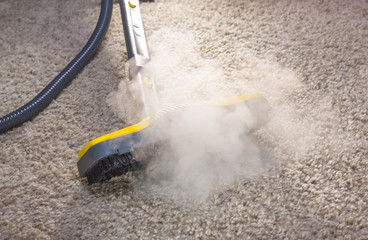
This method uses hot water and cleaning agents injected into carpet fibers, followed by powerful suction to remove dirt and moisture. Steam cleaning is highly effective for deep cleaning, removing stains, and eliminating allergens.

3. Dry Carpet Cleaning

Dry cleaning uses minimal water and specialized cleaning compounds. It is a great choice for carpets that cannot handle excess moisture or when fast drying times are needed.

4. Shampooing

Carpet shampooing involves scrubbing the carpet with a foamy cleaner. While effective for surface stains, it may leave behind residue if not rinsed properly.

5. Bonnet Cleaning

This method involves using a rotating pad soaked with cleaning solution to absorb dirt from the carpet surface. It provides a quick refresh but may not remove deep-set dirt.

Each method has its advantages, and the choice often depends on carpet material, condition, and specific cleaning needs.

DIY Carpet Cleaning Tips

For everyday maintenance, homeowners can take steps to keep carpets in top shape between professional cleanings.

  • Vacuum regularly – High-traffic areas may require daily vacuuming, while other spaces can be done weekly.
  • Treat spills immediately – Blot, don’t rub, to prevent stains from setting in.
  • Use doormats – Reducing the amount of dirt tracked inside helps carpets stay cleaner longer.
  • Rotate furniture – Prevents uneven wear and maintains the carpet’s appearance.
  • Use natural deodorizers – Baking soda can neutralize odors when sprinkled and vacuumed up.

These simple habits can make a big difference in keeping carpets fresh and well-maintained.

When to Consider Professional Carpet Cleaning

While DIY methods help, there comes a time when professional carpet cleaning is necessary. Experts use advanced equipment and solutions to achieve results that regular household tools cannot.

Signs that professional cleaning may be needed include:

  • Stubborn stains that do not go away with home treatments.
  • Noticeable odors that linger even after cleaning.
  • Increased allergy symptoms in the household.
  • Dull or matted carpet appearance.
  • It has been more than a year since the last deep cleaning.

Professional carpet cleaning not only restores carpets but also helps protect the investment in flooring by extending its life.

How Often Should Carpets Be Cleaned

The frequency of carpet cleaning depends on several factors, such as lifestyle, household size, and whether pets are present. As a general guideline:

  • Every 6–12 months for households with children or pets.
  • Every 12–18 months for smaller households with low foot traffic.
  • More frequently for homes with allergy sufferers or high-traffic areas like hallways and living rooms.

Sticking to a regular cleaning schedule keeps carpets in their best condition and reduces the buildup of dirt and allergens.

The Role of Carpet Cleaning in Health and Comfort

Clean carpets go beyond visual appeal—they directly impact the comfort and health of those living in the home. Allergens such as dust mites, mold spores, and pet dander often settle deep in carpet fibers. Without proper cleaning, these particles can contribute to respiratory issues and allergies.

Freshly cleaned carpets also enhance comfort. Soft, clean fibers feel better underfoot and create a warm, inviting atmosphere. For families who spend time playing or relaxing on the floor, clean carpets are essential to a healthy lifestyle.

Eco-Friendly Carpet Cleaning

More homeowners are looking for eco-friendly carpet cleaning solutions. These methods use biodegradable, non-toxic products that are safe for families, pets, and the environment. Additionally, they reduce water usage and minimize chemical residues.

Eco-friendly carpet cleaning not only protects health but also contributes to sustainability by lowering the environmental impact of traditional cleaning methods.

Carpet cleaning is an essential part of maintaining a fresh, healthy, and welcoming home. From routine vacuuming to deep-cleaning methods like steam cleaning or dry cleaning, proper care ensures carpets remain vibrant and durable for years to come. Whether through DIY techniques or professional services, keeping carpets clean enhances indoor air quality, improves comfort, and extends the life of flooring investments.

By committing to regular carpet cleaning and adopting eco-friendly solutions, homeowners can enjoy the warmth and style of their carpets without worrying about dirt, allergens, or odors. Clean carpets not only elevate the appearance of a space but also create a healthier and more inviting environment for everyone.

Water Damage Restoration for Commercial Properties

Water Damage Restoration for Commercial Properties

Water damage can devastate a commercial property, disrupting operations and posing safety risks for employees and customers. Understanding the restoration process can help commercial property owners and managers make informed decisions that minimize downtime and reduce long-term costs.

All Pro Services teams are trained to conduct detailed inspections using advanced equipment to detect hidden moisture and expedite repairs. The following services are typically included in a thorough restoration:

Pre-inspection

Commercial water damage restoration involves more than simply making a property look like it did before the disaster occurred. Restoration companies also repair structural damage and deteriorated materials, preventing secondary issues from arising. A comprehensive restoration effort can save businesses from costly downtime and long-term damage.

The first step in the process is to evaluate the extent of the damage. This is done by inspecting the space, determining the source of the water, and identifying all affected materials. Once the damage has been assessed, the next step is to remove the water and dry out the space. This is done using industrial-grade pumps, high-capacity dehumidifiers, and specialized equipment for cleaning porous surfaces. The last step is to evaporate the remaining moisture with high-velocity air movers.

This is one of the most important phases of water damage restoration, as it prevents additional problems like mold growth and material deterioration. It also protects the health and safety of customers and employees.

Mitigation is especially critical following flood or storm damage, as standing water can be highly contaminated and increase the risk of bacteria and other organisms growing. The longer water sits, the more damage it causes to structures and contents. Professionals, such as BELFOR, can provide the immediate mitigation services needed to preserve properties and mitigate future issues.

While it is possible to perform some level of water remediation yourself, this is usually best left to the professionals. It’s not only easier, but safer and more effective. This is especially true for class 3 and higher water damages, which require specialized equipment to be safely addressed. Attempting to handle this kind of damage without proper training and equipment can lead to further damage, health hazards, and increased costs.

Extraction

When a commercial property is affected by water damage, it’s not just an inconvenience—it can jeopardize operations and financial stability. That’s why it’s important to work with professional restoration services to minimize downtime and safeguard against long-term issues like mold growth and structural deterioration.

The first step in water restoration is identifying the level of contamination and what materials and structures are affected. Then, mitigation technicians can begin extracting standing water and deploying industrial-grade drying equipment such as pumps, vacuums, and high-velocity air movers.

This process also includes assessing whether the material in question is salvageable or needs to be replaced. For example, if drywall has been exposed to clean water and doesn’t have extensive damage, it may be dry enough to save, but if it was saturated by grey or black water, it will likely need replacement to prevent future problems like mold growth and material rot.

In addition to addressing immediate concerns, water restoration professionals can help business owners understand their insurance coverage and navigate complicated claims. They can also provide guidance on preventing secondary damage like water-borne bacteria, which could require additional cleanup and a longer restoration timeline. By addressing these concerns immediately, restoration experts can expedite the recovery process and ensure that your property is safe for employees, customers, and vendors.

Drying

The drying phase involves removing standing water and then thoroughly reducing the amount of moisture in building materials like drywall, wood, and insulation. This prevents the onset of mold, rot, and other long-term problems.

The amount of damage caused by a flood or plumbing issue depends on how much water is present, how long it remains on the property, and the type of water contamination. A professional restoration team will inspect and categorize the extent of the damage to determine how quickly it must be addressed.

Once the area is free of visible water, it must be dried out with industrial-grade drying equipment. This includes pumps and vacuums to remove surface water, dehumidifiers to reduce humidity, and air movers to promote rapid evaporation of the remaining moisture. Drying also includes precise moisture monitoring to catch hidden moisture pockets that can cause problems later on.

Commercial properties can experience various types of damage after a disaster. Fires, for example, can leave behind extensive smoke and soot damage that requires cleaning and sanitization as well as structural repairs. Additionally, firefighting efforts often result in water damage from hoses and pumps used to extinguish the flames.

Regardless of the source of the water intrusion, it must be removed as soon as possible to limit the impact on the structure and contents of a property. This is especially important for businesses that rely on data and computer systems, which can be severely affected by prolonged exposure to water. In addition to ensuring that all water is removed, the restoration process includes sanitizing and disinfecting all affected areas to eliminate germs and other contaminants that can cause illness. This also helps ensure a safe environment for employees and customers to return.

Cleaning & Sanitization

Whether from burst pipes, severe storms, or plumbing failures, water damage can threaten your business’ operations, assets, and safety. It also creates an environment ripe for mold growth, which can cause respiratory problems in people with allergies or asthma. The good news is that rapid response and restoration services can help protect your business’ property, minimize disruptions, and mitigate costs.

Professionals perform a comprehensive water restoration process that includes mitigating the immediate damage, removing excess water, and deploying drying equipment like dehumidifiers and air movers to remove hidden moisture in walls, flooring, and furniture. They also clean and sanitize the affected areas to prevent the spread of mold, and they can complete necessary structural repairs.

The type of water damage to which a commercial property is exposed dictates the steps needed for restoration. In general, clean water (Class 1) only affects drywall, carpet, and other materials with low permeability. However, gray and black water can wreak havoc by penetrating deeper into drywall and other materials. This type of water is often contaminated with harmful microorganisms, and it requires specialized decontamination techniques.

In the cleanup phase, technicians remove debris and waste materials to speed up the drying process. They may even extract furniture and other items that can be salvaged, saving you the cost of replacing it. Depending on the severity of the water damage, professionals may recommend using biocides that kill any remaining bacteria and other microorganisms. They can also apply deodorization treatments to freshen up the space.

Repairs

Commercial water damage is a significant threat to property values, operations and the health of staff and customers. If left unchecked, it can lead to secondary problems like mold growth and structural deterioration. Professional restoration services prioritize addressing these issues and safeguarding properties from long-term damage.

After assessing the extent of the damage, technicians begin by removing any excess water and moisture with industrial-grade pumps, high-capacity dehumidifiers, and specialized drying equipment. These tools expedite the process and minimize the risk of long-term damage to the building’s structure and contents.

As the property dries, cleaning and sanitization processes take place to ensure that all bacteria, mold spores, and other contaminants are completely removed from the space. These steps are critical, as the longer water sits, the more contaminated it becomes, which can lead to additional damage, higher cleanup costs, and even potential safety risks for employees and customers.

Once the space is completely dry, any necessary repairs can be made. This may include replacing drywall, repairing flooring, and restoring any other affected materials. Professionals are also trained in repairing and restoring any structural components that have been compromised by water damage, including load-bearing walls and beams.

Water damage can result from any number of sources, such as faulty plumbing, roof leaks, or flooding caused by inclement weather. It can be a serious problem for businesses, causing disruptions in operations, resulting in lost revenue and potentially damaging the reputation of the business. However, by partnering with a qualified water restoration company, businesses can minimize downtime and protect their assets and staff. A team of experts can handle everything from insurance claims to restoration services, ensuring that all aspects of the repair process are handled professionally and efficiently.